
Wellness stipends look great in an offer letter. Then the usage reports arrive, and most of the budget sits untouched. Companies paying attention have started moving that money toward rest-based programs instead. This piece looks at why, and what the switch involves.
Key Takeaways
• Recovery-focused programs are drawing budget that once went to gym perks alone.
• Restorative yoga asks nothing athletic so that mixed-experience teams can join without hesitation.
• The strongest programs follow a company’s own stress calendar rather than a generic schedule.
Ask an HR team what happened to last year’s fitness stipend and the answer is usually quiet. A small group used it heavily. Most people never logged in, and stress complaints kept climbing anyway.
That mismatch sits behind a pattern showing up across wellness budgets: companies adding restorative yoga in Pacific Beach to their benefits mix. Rest-based sessions meet employees where they are, which is often tired.
Below is a look at what makes the approach work, from accessibility to program design, plus what to check for in a studio partner. The usual caveat applies. Wellness sessions support health; they never stand in for medical care.
From Pushing Harder to Recovering Better
For years, workplace wellness meant exertion. Step challenges and bootcamp classes assumed the same thing: more movement equals healthier staff. Movement does matter, but it covers half the picture at best.
An overloaded team needs a way to come down, not only a way to work out. So recovery and mental health support now sit alongside fitness in serious wellness plans, and rest-based programming turned out to be the piece many companies were missing.
What the newer programs add:
• Scheduled chances to downshift during the workday
• Stress management that does not require sweat
• Care for the mind as well as the body
• A place for employees who dislike gyms entirely
Why Accessibility Wins the Budget Conversation
Participation is the number a wellness program lives or dies on. A perk that fifteen percent of staff touch makes for a hard renewal meeting, no matter how good it sounded in January.
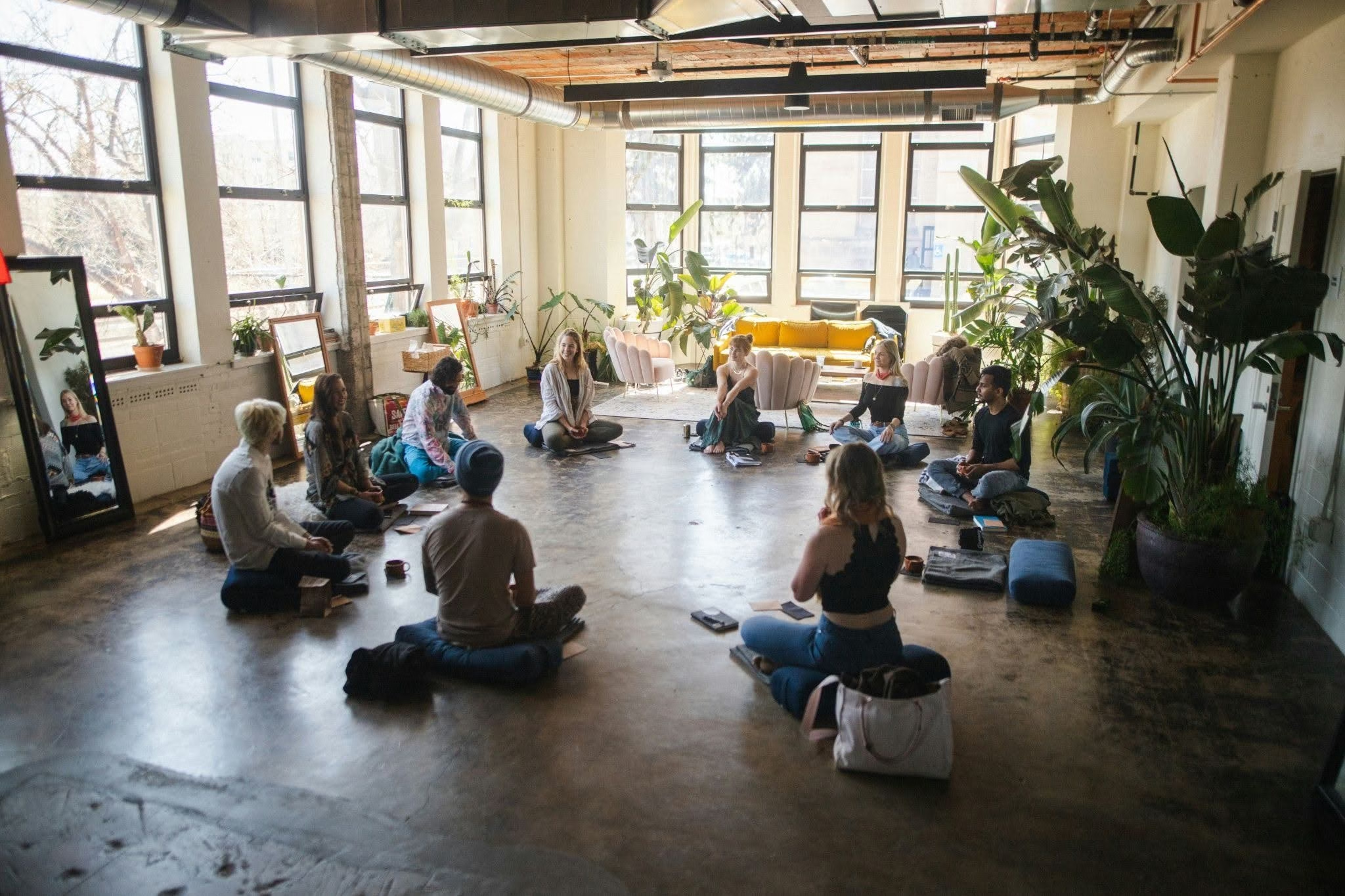
Restorative yoga flips that math. Sessions are gentle and non-heated, and props carry the body’s weight, so the least athletic person in the office settles in as comfortably as the resident triathlete. Mixed-experience teams rest side by side without anyone feeling watched.
What keeps the barrier low:
• No fitness baseline or yoga background needed
• Supported poses instead of demanding ones
• Non-heated rooms, so no changing or showering after
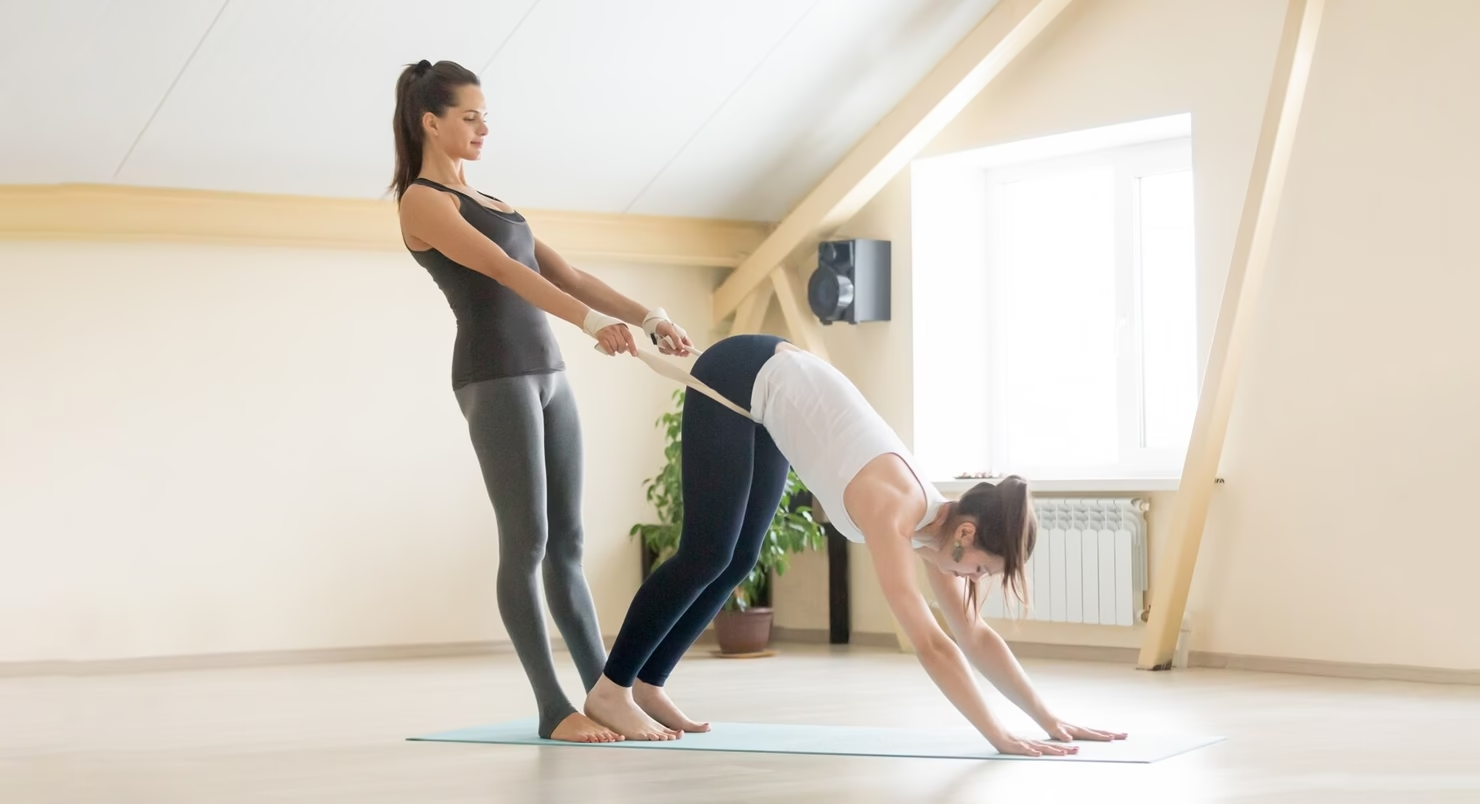
• Adjustments built in for injuries and mobility limits
Mindfulness and the Focused Workday
Regular restorative practice may support steadier focus and more even emotional footing. Clearer thinking under pressure tends to follow, since a settled nervous system usually makes better calls than a frayed one.
The breathwork is the quiet bonus here. Once someone learns a simple technique on the mat, they carry it back to their desk, and it costs nothing to use between meetings.
Where teams may feel the difference:
• Calmer responses when timelines slip
• Better focus in the hours after a session
• A shared vocabulary for stress and rest
• Breath tools that travel anywhere
Programs Built Around Your Stress Calendar
Generic wellness calendars ignore how businesses actually run. Every company has its crunch: tax season for one firm, a product launch for another. The pressure is predictable, which means the recovery can be too.
Well-designed programs schedule around those cycles. Weekly sessions through the heavy months, a lighter cadence the rest of the year. The sessions themselves shift as well, sound-heavy when a team is frazzled, breath-led in the run-up to a high-stakes week.
Ways companies shape the program:
• Heavier session cadence during crunch months
• Formats matched to what the team is carrying
• On-site visits or studio sessions, whichever fits
• Start times that respect the workday, not fight it
Why the Teacher’s Training Matters
Restorative yoga looks simple from the doorway. Guiding it well is not. It takes real training in alignment, safe sequencing, breathwork and sound-based relaxation, plus the judgment to read a room full of desk-tight bodies.
Corporate groups also bring skeptics, and a teacher from an established lineage handles that gracefully. Depth of training shows in small ways: the prop set-up, the pacing, the voice that never rushes.
What to look for in a studio partner:
• Teachers trained in alignment and restorative sequencing
• Real breathwork and sound healing experience
• Comfort guiding complete beginners and skeptics alike
• A teaching lineage behind the studio, not a weekend course
An Invitation to Rested Ambition
No wellness trend guarantees anything. A program stands or falls on the people guiding it and the consistency behind it, so the partner you pick matters more than the idea itself.
For HR leaders, founders, and executive teams around Pacific Beach and greater San Diego, a boutique studio such as Tranquil Tree Yoga builds custom corporate restorative partnerships, rooted in the Ashtanga tradition and woven through with breathwork and sound healing. A short conversation about your team’s calendar is the natural place to begin.