
Most workplace wellness budgets go toward getting people moving. Far fewer ask what happens to a team that never gets to slow down. Restorative yoga fills that gap with long, supported rest that asks nothing athletic of anyone. Here is the business case, and what a workplace session looks like in practice.
Key Takeaways
• Sustained stress wears down morale and focus long before anyone hands in notice.
• Restorative sessions pair supported poses with slow breathing, so every fitness level can take part.
• Gentle, non-heated formats keep workplace rollout simple. No gear, no experience needed.
Burnout rarely announces itself. It shows up as shorter tempers and projects that drag. Then good people start quietly browsing job listings, and by that point the fix costs far more than prevention would have.
That gap is part of why more companies are looking at restorative yoga in Pacific Beach as a recovery layer alongside the usual fitness perks. A gym discount asks employees to spend energy. A restorative session gives some back.
This guide covers how the practice works, why it suits every employee on the roster, and what a workplace program can look like. One caveat before we start: wellness programs sit alongside medical care, never in place of it, so employees managing health conditions should check with their doctor first.
How Restorative Practice Actually Works
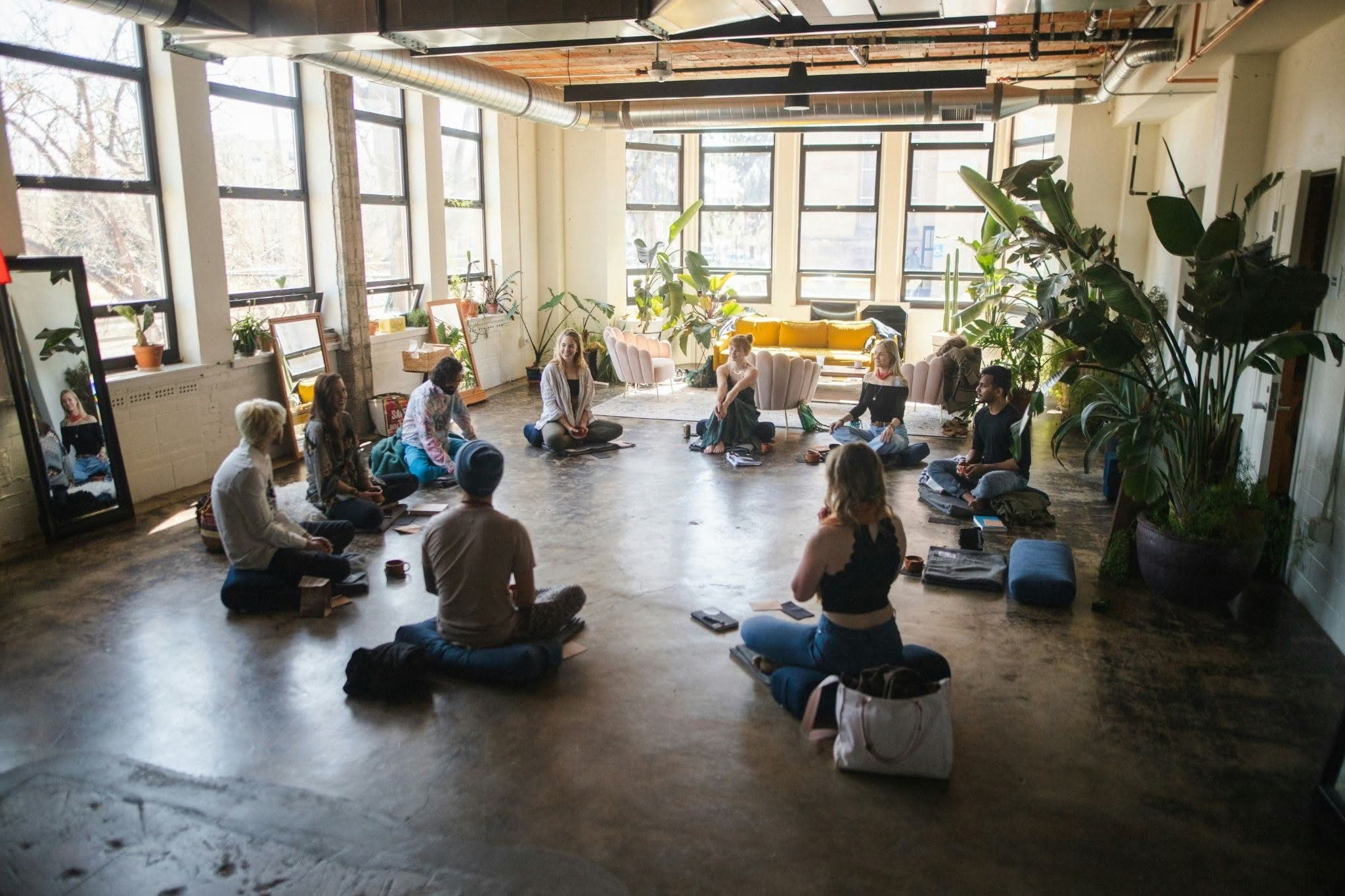
In a restorative class, poses are held for several minutes at a time, with bolsters and blankets carrying the body’s full weight. There is nothing to achieve and nothing to keep up with. The stillness is the point.
Slow breathing runs through the whole session, and the combination is designed to encourage the body’s natural relaxation response. Think of it as somewhere between a stretch class and a nap, closer to the nap.
What a session involves:
• Poses held for several minutes with full prop support
• Slow, guided breathing from start to finish
• No strength or flexibility demands at any point
• A quiet, dimly lit room and a calm teaching voice
Calming the Corporate Nervous System
A typical office keeps people alert for hours on end. Deadlines and notifications give the body no reason to switch off, so many employees run in a low-level stress state from the first email to the last.
A restorative session offers structured permission to downshift. That pause may help people move from sustained stress toward a calmer state during the workday itself, rather than saving all recovery for the weekend.
Where the shift shows up:
• A real pause from constant alertness, mid-shift
• Slower breathing that may ease physical tension
• A calmer baseline heading into the afternoon
• Recovery treated as part of work rather than a reward after it
Getting Started Is Easier Than It Looks
Bootcamp-style perks tend to attract the same handful of already-fit employees. Restorative yoga is gentle and non-heated, which flips that pattern. The colleague who has not exercised in years takes part as fully as the marathon runner two desks over.
There is no sweating, so nobody needs to shower or change before their next meeting. Props do the physical holding, which also makes most injuries simple to work around.
Why nobody gets left out:
• Non-heated rooms and gentle positions suit every body
• No athletic ability or yoga history needed
• Comfortable work clothes are usually fine
• Modifications come standard, not as a special request
Sound, Scent and the Sensory Escape
Atmosphere does a surprising amount of the work. Crystal bowl sound, guided relaxation, simple breathwork and a softly lit room tell the brain that this hour is different from the nine around it.
That sensory shift is what turns a conference room or a studio visit into a real escape. Sound during the longer holds seems to help people settle, and a short guided relaxation at the end sends them back calm rather than groggy.
Ways to build the atmosphere:
• Crystal bowl sound during the longer holds
• A guided relaxation to close the session
• Breathwork simple enough for complete beginners
• Soft lighting and a calming scent in the room
What Rested Minds Give Back
Regular chances to properly relax may support steadier focus and more even moods, plus a little more patience in meetings. Those are quiet gains, but they add up across a team and a quarter.
An honest note here: no yoga session fixes an unworkable workload or below-market pay. Rest programs complement sound management. They do not excuse its absence.
What companies tend to notice:
• Steadier focus through long afternoons
• More even moods in meetings and reviews
• A wellness perk people actually show up for
• A visible signal that the company takes wellbeing seriously
Rest as a Competitive Advantage
No provider can promise lower turnover, because pay and workload still matter most. What a rest program does is remove one avoidable drain on morale, at a fraction of what replacing a burned-out employee costs.
For teams in and around Pacific Beach, a boutique studio such as Tranquil Tree Yoga runs corporate restorative sessions built around a company’s schedule, in studio or on site. An inquiry about a corporate wellness partnership is an easy first step, and a low-stakes one.