
Vinyasa yoga connects breath to movement in a continuous flow, making it one of the most beginner-friendly yoga styles available. Pacific Beach offers an ideal setting to start. This guide covers class structure, what to bring, beginner tips, and how to choose the right class level for your goals.
Key Takeaways:
- Vinyasa links every movement to breath, creating a flowing sequence that beginners can follow with basic guidance and the right class level.
- Bringing the right gear and communicating with your instructor before class significantly improves your first experience.
- Choosing between Tranquil Flow and Power Flow based on your current fitness level keeps practice enjoyable and sustainable from the start.
San Diego does not really do slow mornings. Walk through Pacific Beach at 7 am, and you will find runners, paddleboarders, cyclists, and somewhere in between all of that, people unrolling yoga mats. Movement here is not a habit people have to force themselves into. It just happens.
That context matters when you are thinking about where to start a yoga practice. Vinyasa yoga in Pacific Beach is part of a community that already understands physical discipline. The style itself weaves breath and movement into a single continuous thread. You breathe in, your body responds. You breathe out, and it responds again. Nothing is held for the sake of holding. Everything connects forward into the next thing.
For someone new to yoga, that description might sound abstract. This guide makes it concrete.
What to Expect in Your First Vinyasa Yoga Pacific Beach Class
Preparation removes a lot of the anxiety that comes with trying something unfamiliar. Knowing what actually happens inside a Vinyasa class before you arrive takes the guesswork out completely.
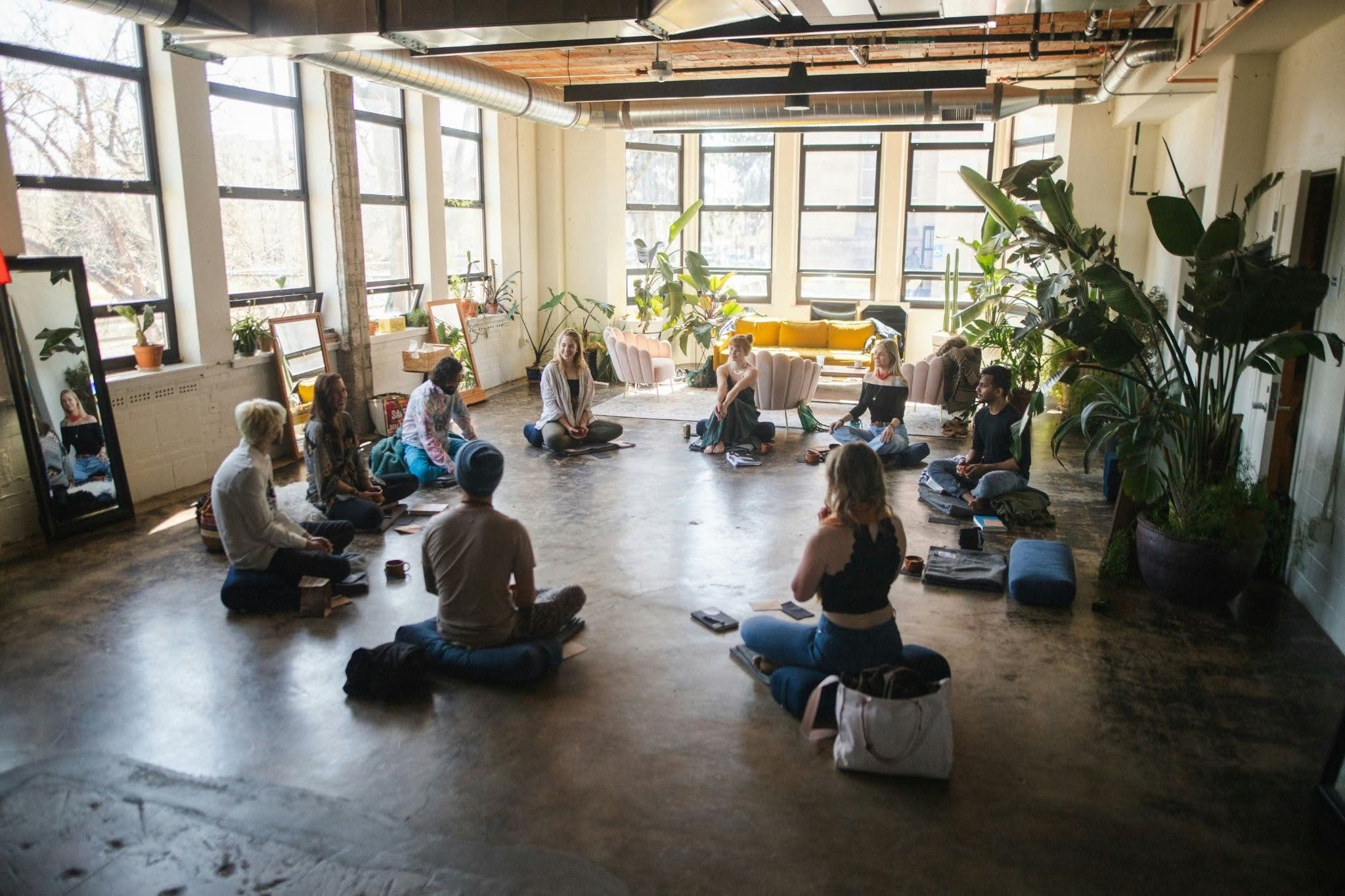
Most beginner sessions open the same general way. A few quiet minutes at the start where you settle onto your mat, bring your breathing under control, and mentally leave behind whatever the day has already thrown at you. From there, the instructor builds the class in layers.
The warm-up is deliberate and unhurried. Joints get attention before muscles are asked to do serious work. Then the main sequence begins, poses linking into one another at a pace set by breath rather than a clock. Somewhere in the middle of class, the difficulty peaks. By the final third, everything starts winding back down. The session closes in full stillness.
A few things specific to Vinyasa that differ from other yoga styles are worth knowing:
- Breath is not background noise in this practice. It is the actual instruction. Inhale and exhale tell you when to move and when to land.
- Sequences change from class to class. The instructor designs the flow, so no two sessions are carbon copies of each other.
- Pacific Beach studios generally carry an informal energy. Competitive atmospheres are rare. Most rooms feel more like a group of people working toward something personal than a performance space.
Essential Items to Bring to Vinyasa Yoga in Pacific Beach
Getting this part right before your first class means one less thing to think about once you are there.
- Clothing that moves with you: Anything loose enough to catch air will bunch during forward folds and get in the way during inversions. Close-fitting, breathable fabric handles movement and sweat better.
- A personal yoga mat: Studios often have loaners available. Your own mat has better grip, obvious cleanliness advantages, and no rental fee.
- Water: Vinyasa generates heat from the inside out. Infrared-heated studios amplify that considerably. Arriving hydrated and keeping water nearby during class is not optional.
- A small towel: One that fits alongside your mat. A wet mat surface during balance work is a real problem.
- Buffer time: Ten minutes before class rather than two. Enough time to get situated, pick a spot, and have a brief word with the instructor.
That last item matters more than it sounds. Telling your instructor upfront that you are new gives them information they will actually use throughout class. It shifts how they cue, where they look during sequences, and which modifications they offer out loud.
Tips for Making the Most of Your Vinyasa Practice
Showing up is the starting point. Showing up with intention is what builds a practice worth keeping.
Share relevant physical history before class begins.
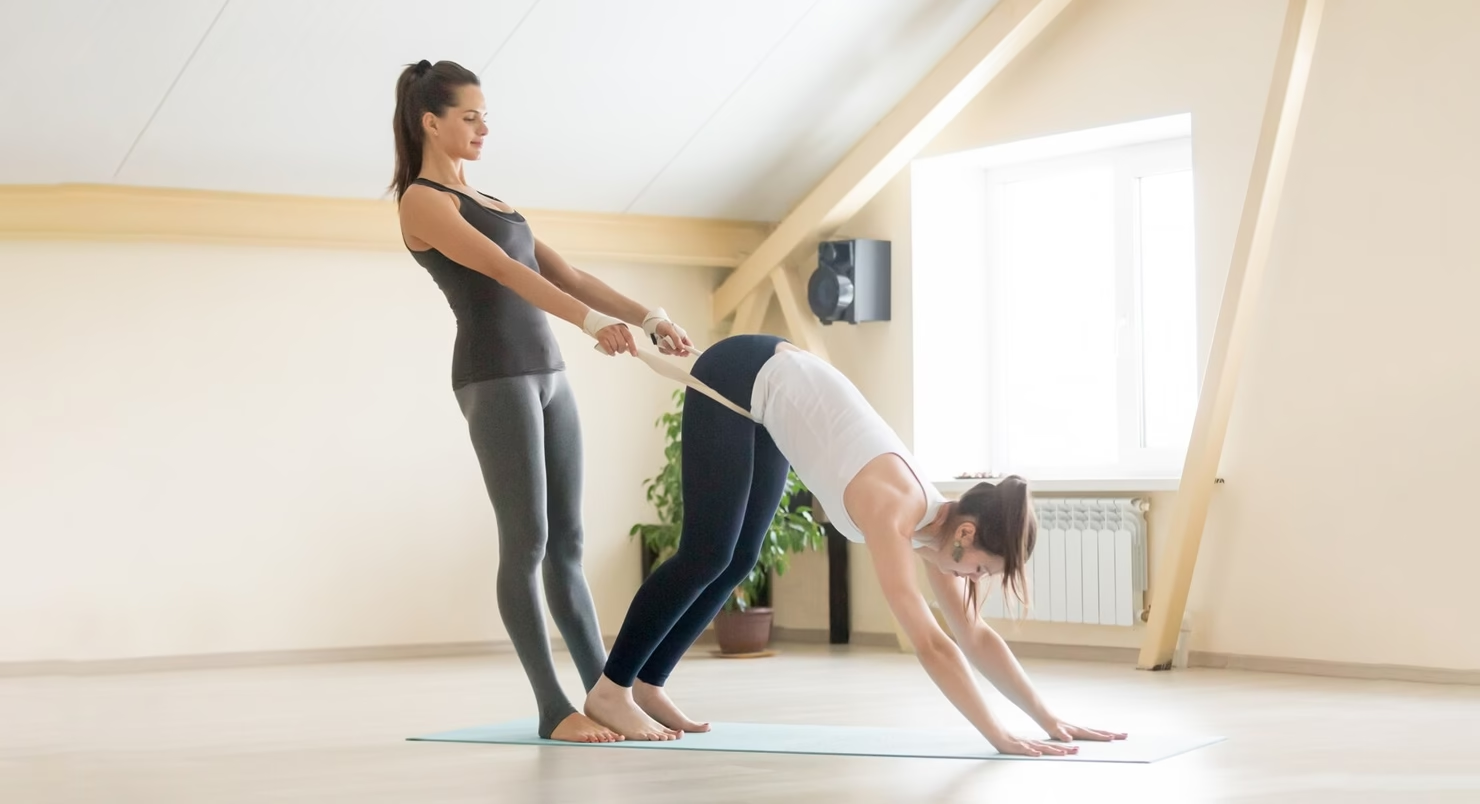
A recovering knee, a shoulder that locks up, and lower back sensitivity from sitting at a desk. Instructors cannot work around what they do not know about. A thirty-second conversation before class can prevent a week of unnecessary soreness afterward.
Treat modifications as part of the practice, not a departure from it.
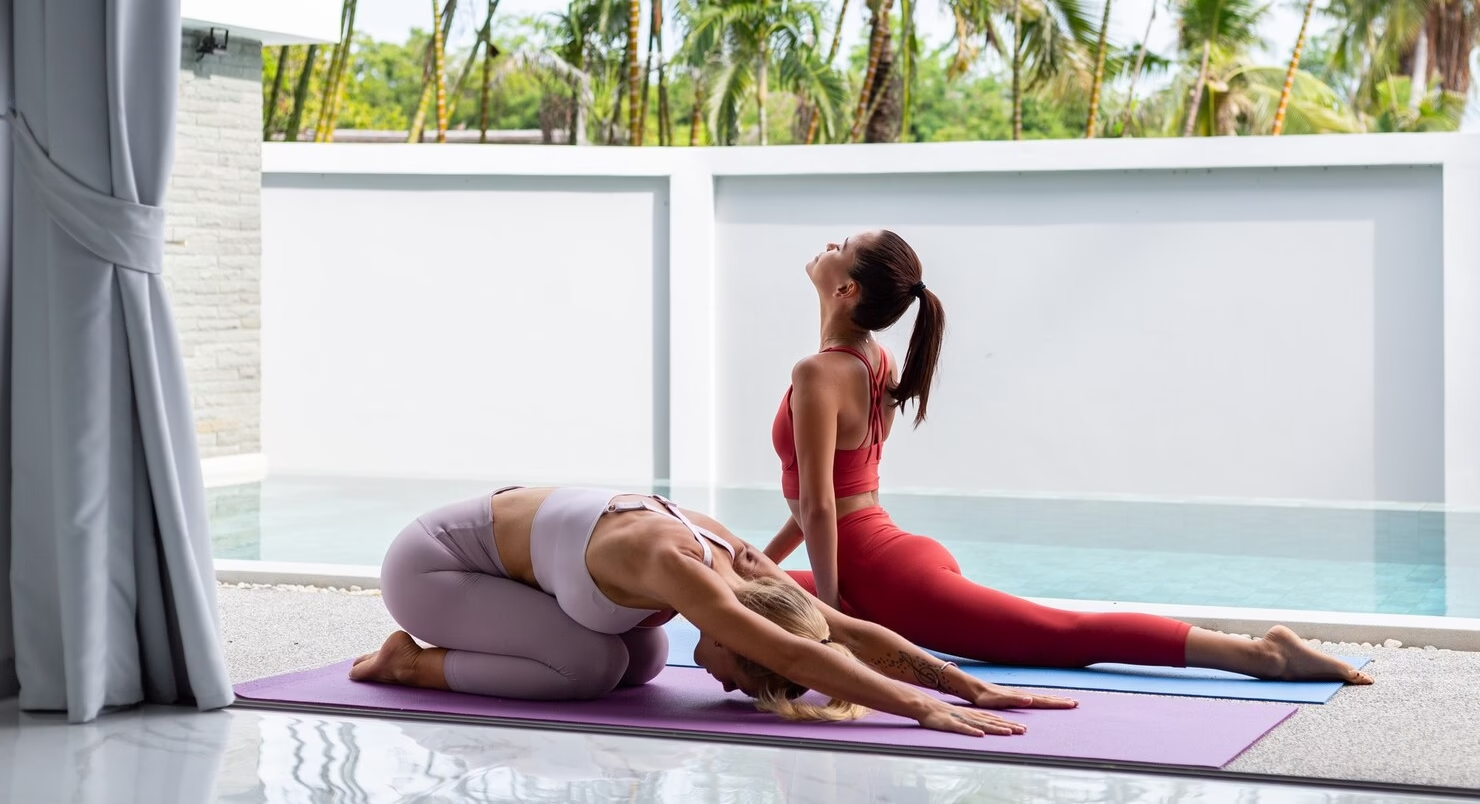
Every experienced yogi in that room has modified something today. Choosing a gentler variation of a pose because your body needs it is not falling short of the standard. It is meeting the actual purpose of the practice.
Consistency beats intensity every time.
Three moderate sessions per week build familiarity with sequences faster than one punishing session followed by five days of recovery. Your nervous system learns yoga through repetition, not effort.
Do not skip the ending.
Savasana, the final rest pose, is where the body integrates what just happened physically and neurologically. Classes that end there are not padding the schedule. That final stillness is genuinely part of the work.
Finding the Right Vinyasa Class for Your Level
Vinyasa is less a single-class format and more a broad category with real variation within it. Picking a class that suits your current fitness level from the start keeps practice enjoyable rather than something you dread returning to.
Tranquil Flow is the appropriate starting point for most beginners. The pace is measured. Transitions between poses allow enough time to understand what is being asked before your body has to deliver it. People returning to yoga after a gap, or anyone with physical considerations to work around, generally land better here than anywhere else.
Power Flow operates at a faster pace and builds significantly more heat. Strength matters here. Stamina matters. Prior yoga experience or a solid foundation in physical fitness make this format accessible. Without that base, Power Flow tends to overwhelm rather than challenge productively.
Tranquil Tree Yoga offers both formats in a studio designed specifically for the boutique experience. Classes stay small by design, which means instructors can actually track individual students rather than managing a room. Infrared heating warms muscle tissue more deeply than conventional radiant heat, which translates into better flexibility during sessions and faster recovery afterward. The post-class ritual of cold eucalyptus towels and hot tea is a small but meaningful detail that signals what kind of studio this actually is.
Conclusion
Pacific Beach yoga studios are not hard to find. Finding one that treats a beginner’s first class as seriously as it treats the practice itself is a different question.
At Tranquil Tree Yoga, every detail of the experience is intentional. Small class sizes keep instruction personal. Infrared-heated sessions work with your body rather than just warming a room. Post-class eucalyptus towels and tea bring each session to a considered close. Our instructors know the difference between a room full of students and a room full of individuals, and they teach accordingly. Tranquil Flow or Power Flow, first class or fiftieth, the standard stays the same. Visit Tranquil Tree Yoga to browse the current schedule and secure your spot. A good first class changes how you think about yoga entirely. Come find out why ours do.
Featured Image Source: https://img.freepik.com/free-photo/fit-woman-stretching-hall_651396-668.jpg?semt=ais_hybrid&w=740&q=80